03 · Orthodontics
Braces
Fixed brackets and wires — the most versatile way to straighten teeth and correct a bite.
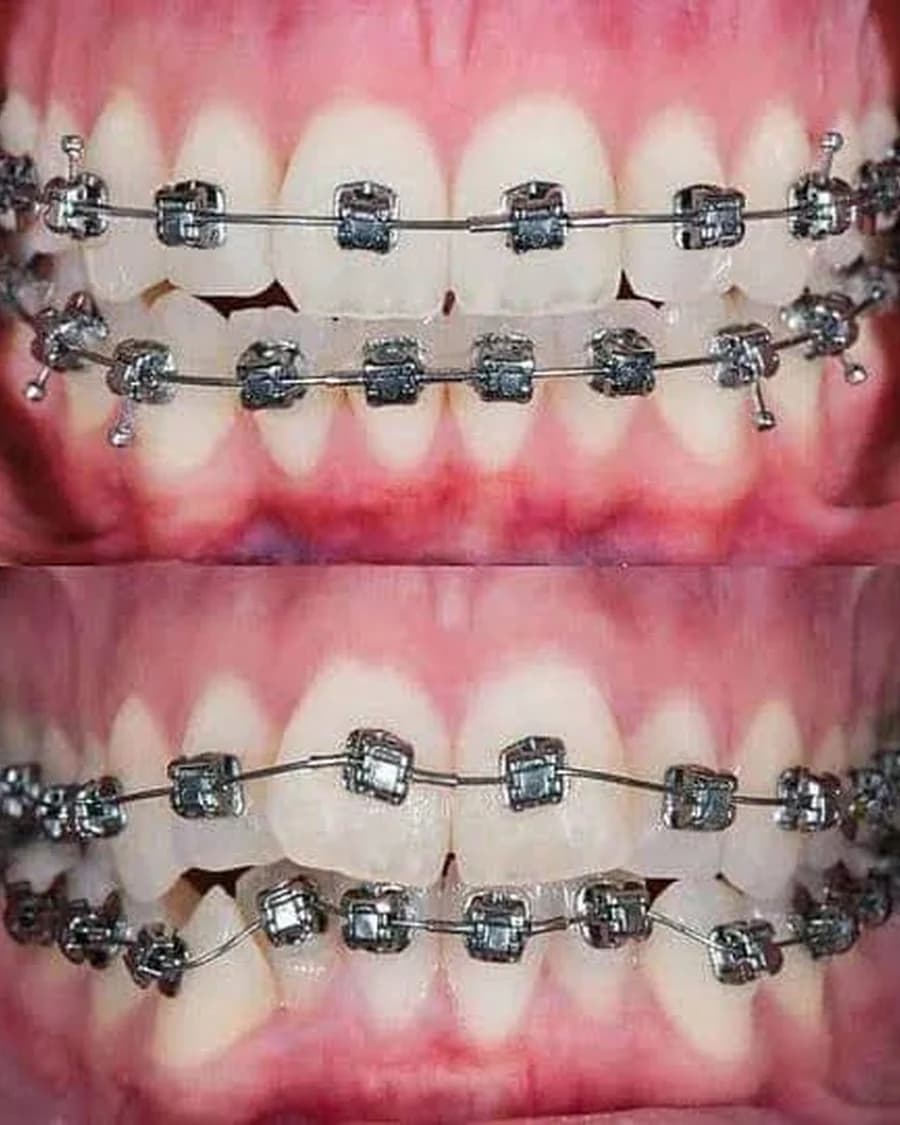
What it is
Braces are small brackets bonded to the teeth and linked by a wire that is adjusted over the course of treatment. They can handle a wide range of problems — crowding, gaps, deep or open bites, and teeth that need to rotate or move a long way — which is why they remain the backbone of orthodontics.
How it goes
- 1
Records
Examination, photographs and X-rays to understand teeth, jaws and bite.
- 2
Bonding
Brackets are fixed to the teeth in a single, painless sitting.
- 3
Adjustments
Regular visits to adjust the wire and track progress.
- 4
Retainers
Once the braces come off, retainers keep the teeth where they now belong.
Questions patients ask
What is the right age for braces?+
An orthodontic check around age 7–8 lets growth-related problems be spotted early. Many children start treatment between 10 and 14, but adults are treated routinely too.
How often are the visits?+
Adjustment visits are usually spaced a few weeks apart; your schedule depends on the plan.
Can I eat normally?+
Mostly, yes. Very hard and very sticky foods are best avoided because they can break a bracket.
Which braces?
Four kinds of braces, one right for you.
All of them straighten teeth the same way — steady, gentle pressure over time. They differ in how visible they are and what they cost. Dr. Nikita will recommend the best fit at your consultation.
Metal braces
The classic, most economical option. Stainless-steel brackets and a wire, adjusted over time. Strong and effective for every kind of case.
- Best for
- Most affordable · handles complex cases
- Note
- Most visible option
Ceramic braces
Work exactly like metal braces, but the brackets are tooth-coloured ceramic, so they blend in and are far less noticeable.
- Best for
- Discreet · as effective as metal
- Note
- Costs a little more · care with staining foods
Self-ligating braces
Brackets that hold the wire with a built-in clip instead of elastic ties. Often means fewer, quicker adjustment visits.
- Best for
- Fewer visits · easier to keep clean
- Note
- Available in metal or ceramic
Lingual braces
Fixed to the inside (tongue side) of the teeth, so they are hidden from the front completely — invisible when you smile.
- Best for
- Completely hidden
- Note
- For suitable cases · a short adjustment period
Next · 04
Root Canal Treatment